Stenosis
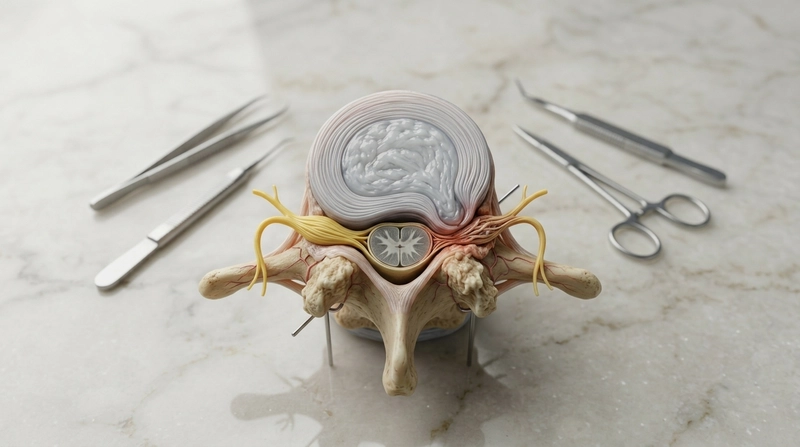
Stenosis is the narrowing of the spaces in the spine — both in the centre and sides — leading to compression of the spinal cord and nerves.
Symptoms
Mild to severe pain radiating from the lower back through the buttocks, thigh, calf, and foot (lumbar)
Pain from the neck or upper back into the hands and fingers — one or both sides (cervical)
Tingling, numbness, burning, or weakness in the legs, feet, hands, or fingers
Increasing pain with lifting and bending — worsening with sustained upright posture
Back or neck pain that comes and goes — varying with position and walking distance
Morning stiffness that may ease or worsen with movement
Dizziness or vertigo with position change (cervical stenosis with cord involvement)
Reduced or trouble urinating or passing motion (bladder or bowel control) — a red flag requiring immediate attention
Bilateral leg weakness, loss of bladder or bowel control, or sudden deterioration of walking ability are medical emergencies in spinal stenosis. Seek immediate care — permanent spinal cord or cauda equina damage can result from delayed treatment.
